Livets Bog, vol. 3
By denying reincarnation the ecclesiastical authorities will be without the logical connecting link that connects the great religious answers with reality. An eternal life after death cannot justify the beings' present undeserved sufferings, and equally an eternal life is not something that can come into being. Neither can the crucifixion of an innocent being for the sins of the guilty make up for the missing logical link between the handed-down answers and real life; indeed, it will increasingly be seen as a defiling of the all-loving, pure Godhead
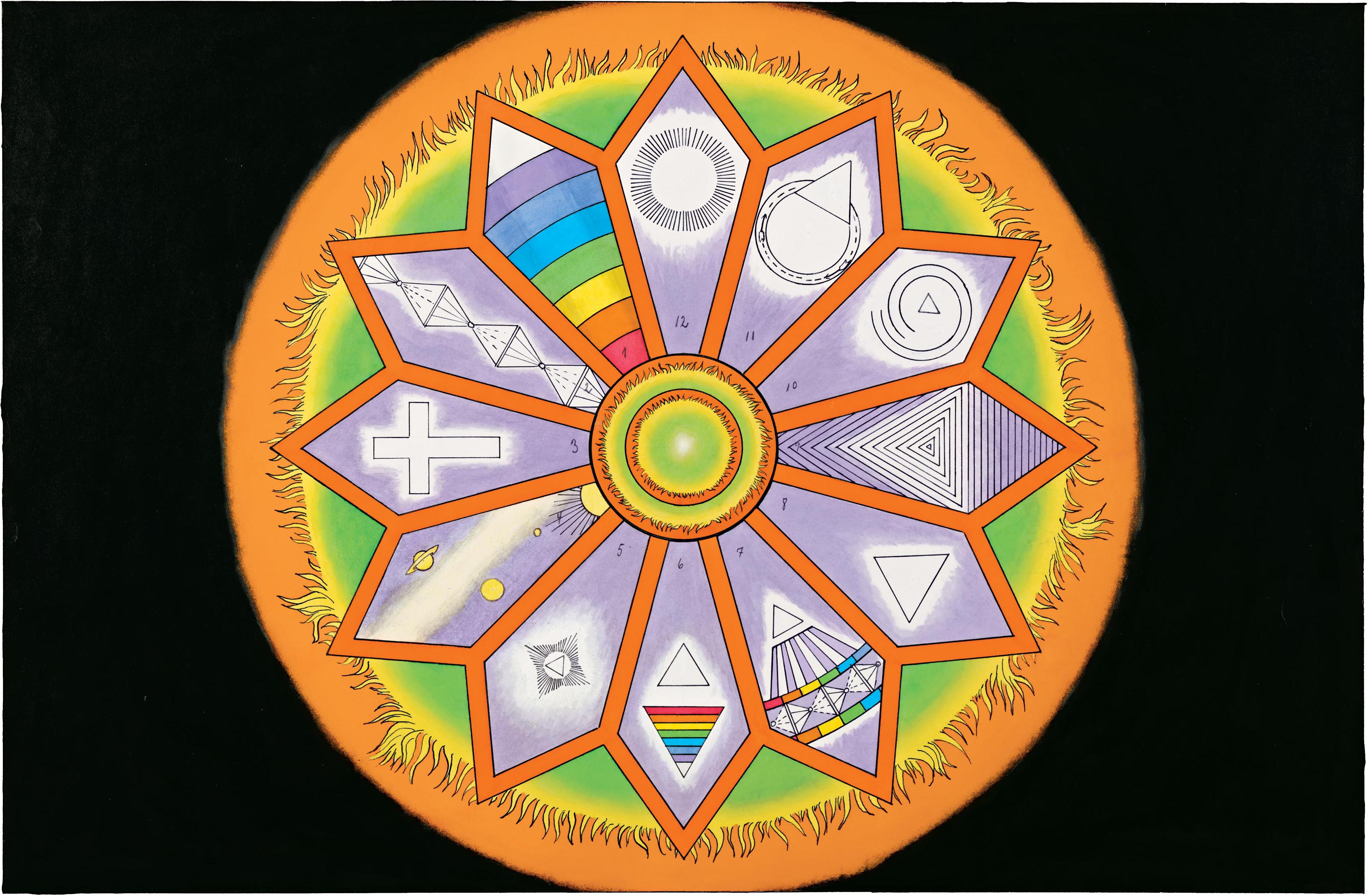
745. But in the midst of this ecclesiastical process of disintegration, the eternal answers still shine unshakably for those who have the ability to see them, and are just as bright and unchangeable as when they issued from the mouths of their great originator. And this is actually what all the contending parties in their innermost being very much want of them. But due to the parties' still feeble beginnings of an intelligent elucidation of the genuineness and justification of the answers, they all run up against what seems to be an insurmountable wall. This wall is the question of immortality. As the ecclesiastical Christian religion does not teach the beings anything at all about rebirth – indeed, even denies its existence – the logical connecting link has been removed that connects the eternal answers to living reality or the beings' by now quite substantially growing body of experience. And the more the priests or authorised servants of the religion seek to deny this rebirth, the more they will derail their religion from the shining path of intellectuality. That they think, in their temporary helplessness, that they can make up for this derailment by teaching that there is an "everlasting life" after the present one, can never bring the beings back to the intellectual path that forms the unshakable foundation of the aforementioned answers. An "eternal life" after death cannot justify the beings' present totally undeserved sufferings, quite apart from the fact that an "eternal life" is not something that can come into being. A life that can come into being cannot be eternal but must make do with being a temporal reality. It will, like all other temporal things, represent age. Similarly, neither can it make up for the beings' present particularly unloving, pain- and death-inducing actions against other beings that some other being is crucified or punished for these sins – a circumstance that does not seem to do much to credit the Godhead either. If he can release human beings from punishment by allowing one single being to be crucified, surely, he can also release the beings from punishment without this crucifixion. To demand that an innocent being should be sacrificed so that the guilty can go free is a demand that is not worthy of an ordinary terrestrial human being. So how can it be worthy of a godhead? Might this not be an echo from heathendom or the barbarism of the past that we can still hear?
Symbol by Martinus
Symbol no. 11
The Solution to the Mystery of Life